


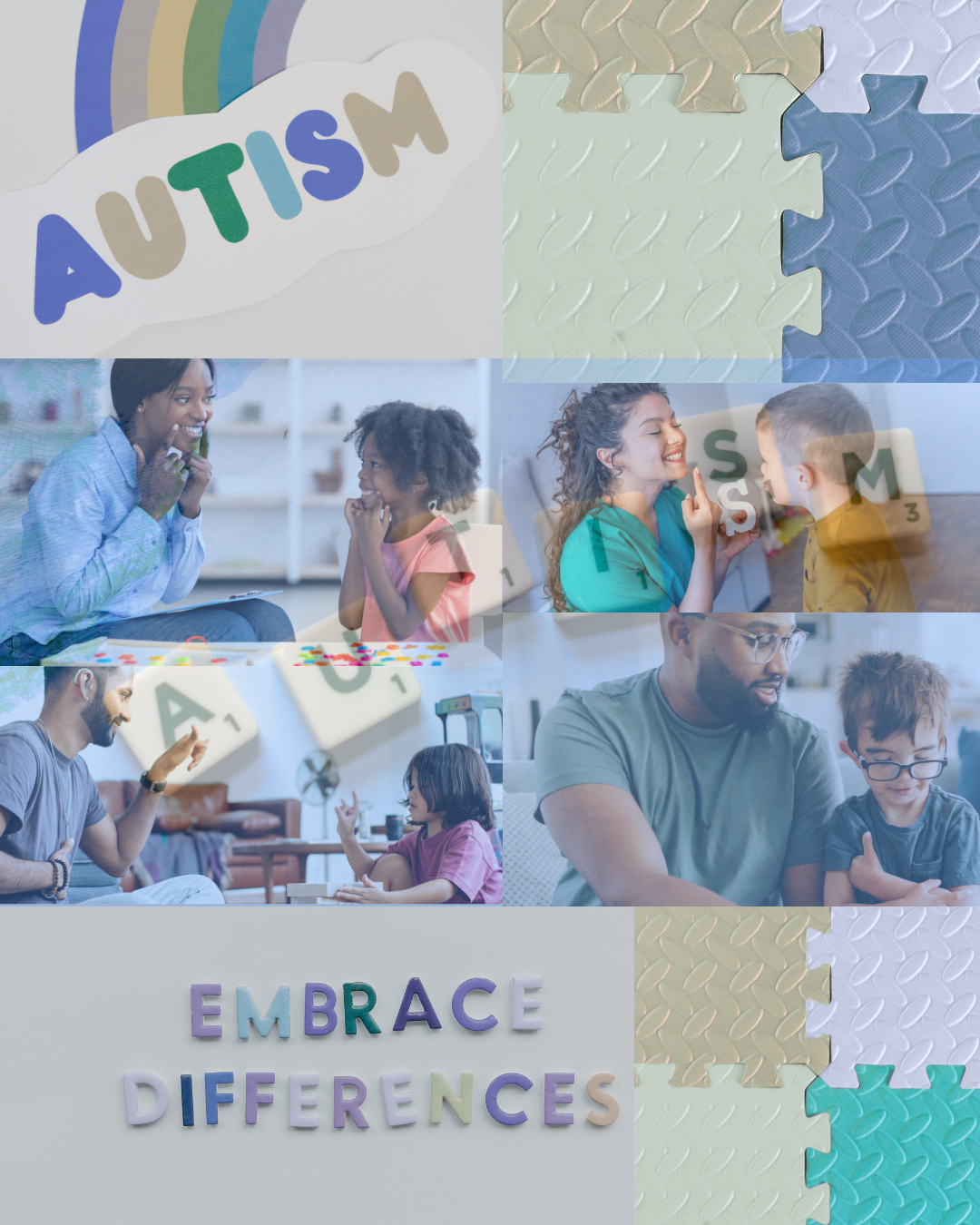

ABA THERApy programs
CLINICAL SERVICES (THERAPY)
Credentialing in Progress — Waitlist Open
Families may submit an inquiry to join our early interest list while we complete insurance credentialing and clinical readiness milestones.
Applied Behavior Analysis (ABA) Therapy is a well-established, evidence-based practice that focuses on understanding and improving specific behaviors. It employs scientifically validated techniques to enhance communication, social interactions, and daily living skills.
By customizing interventions to each person’s unique needs, ABA supports meaningful growth and empowers individuals to achieve their fullest potential.

In-home ABA therapy brings the benefits of Applied Behavior Analysis directly to your living space, allowing for a personalized and familiar environment for your child. During these sessions, a trained therapist collaborates one-on-one with your child, focusing on their unique needs and goals. This individualized approach ensures that the strategies employed are tailored specifically to foster your child’s development.
In Home aba Therapy Session
Parent training is a vital component of Applied Behavior Analysis (ABA) early intervention therapy, especially for families of young children diagnosed with autism or other developmental delays. It empowers caregivers to actively participate in their child's therapeutic journey and fosters long-term success.
Parent/Caregiver Training
Day care, school, & community Support
A registered behavior therapist might go into the classroom or daycare setting and work 1-on-1 with the child during school hours. They help the child stay on task, follow classroom routines, and interact with peers.
ABA therapy can happen in places like the park, grocery store, or library with parent/caregivers supervision. This helps kids learn how to behave in public, follow safety rules, and interact with others.
Parents consent to trainings via video conferencing. A Board Certified Behavior Analyst (BCBA) coaches parents or caregivers remotely, offering real-time guidance as they work with their child.
Treatment plans development can be conducted via telehealth.
Telehealth services
As NeuroBloom continues to grow, we’re preparing to expand our services to better support children, families, and professionals through a more comprehensive care model.
Clinic-Based ABA Therapy Session
Clinic-based therapy provides a dedicated environment where our team of BCBAs and RBTs work together in-house. This model allows for real-time collaboration, specialized resources, and structured sessions that are tailored to each child’s needs.
Help us bring our clinic-based therapy to your area! By sharing your interest, you’ll help us choose the best location for our new clinic. Your feedback is invaluable in shaping the future of NeuroBloom’s services.
Collaboration with Other Professionals
At NeuroBloom, we believe that true progress happens when we care for the whole child—not just one area of development. That’s why we team up with other trusted professionals to surround your child with support.
We collaborate closely with:
Speech-language pathologists to support communication
Occupational therapists to build independence and life skills
Physical therapists to support movement and coordination
Pediatricians and specialists to monitor growth and health
Together, we work as one team to help your child grow with confidence, joy, and purpose.
While our roots are in Georgia and Florida, our vision extends far beyond. As we grow and strengthen our presence locally, we are excited to eventually expand our compassionate care to other states and, ultimately, internationally. We’re committed to making a positive impact wherever we go.
Vote for your state, join our waitlist, and help us shape the future of our services!
Growing beyond georgia
Key Skills We Target in ABA Therapy
-

Communication skills
Communication is one of the most important areas we focus on in ABA therapy—because it’s the foundation for learning, connection, and independence.
When a child can communicate, whether with words, signs, gestures, or pictures, their entire world begins to open up.
-
Cognitive Skills
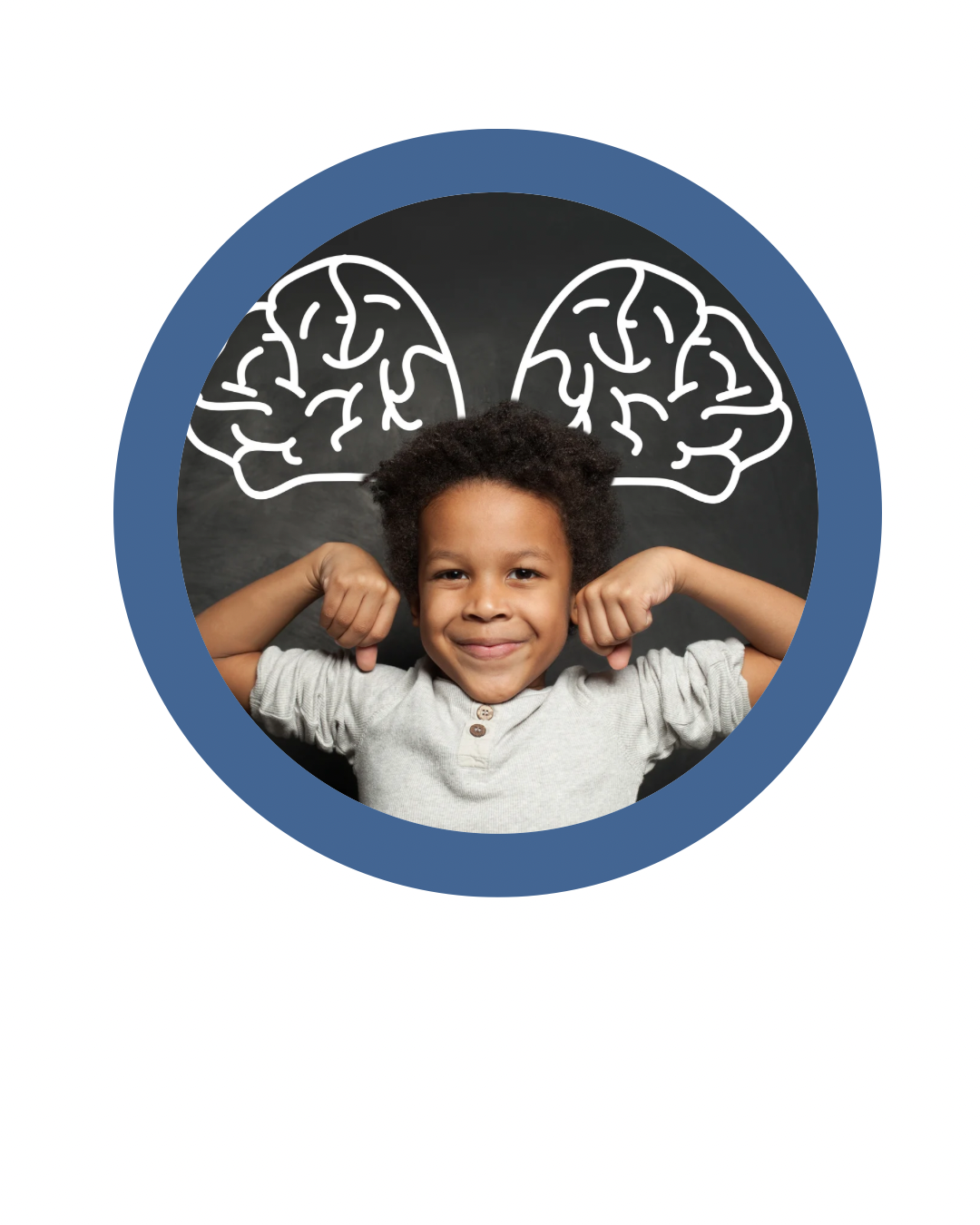
Cognitive skills are how a child thinks, learns, remembers, and problem-solves. In early intervention ABA therapy, we target these skills because they form the foundation for everything else—from communication and play to academic readiness and everyday decision-making.
-

Social Skills
Social skills are how we connect, interact, and build relationships with others. For young children, these skills are the foundation for friendships, learning in groups, and emotional growth.
-
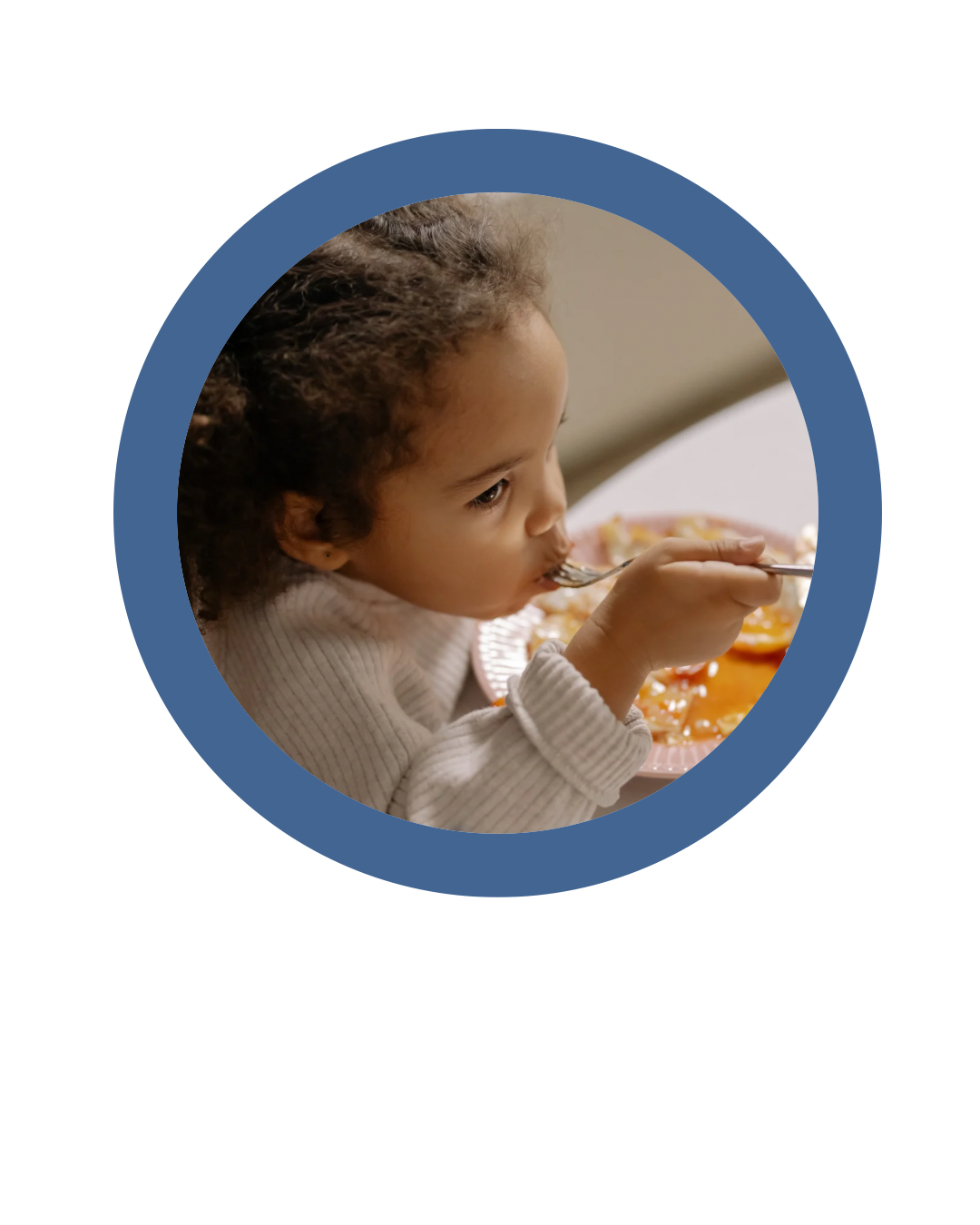
Self-Help & Daily Living Skills
Self-help and daily living skills are the everyday routines that allow children to grow more independent—things like feeding themselves, using the bathroom, brushing teeth, or getting dressed.
In early intervention ABA therapy, we focus on building these life skills step by step, helping each child gain confidence and take pride in doing things “all by myself!”
-

Emotional Regulation & Coping
Emotional regulation is the ability to recognize, express, and manage feelings in a healthy way. It’s one of the most important life skills a child can learn—because it helps them feel safe, understood, and in control.
In early intervention ABA therapy, we help children build emotional awareness and develop coping tools they can use at home, school, and in the community.
-
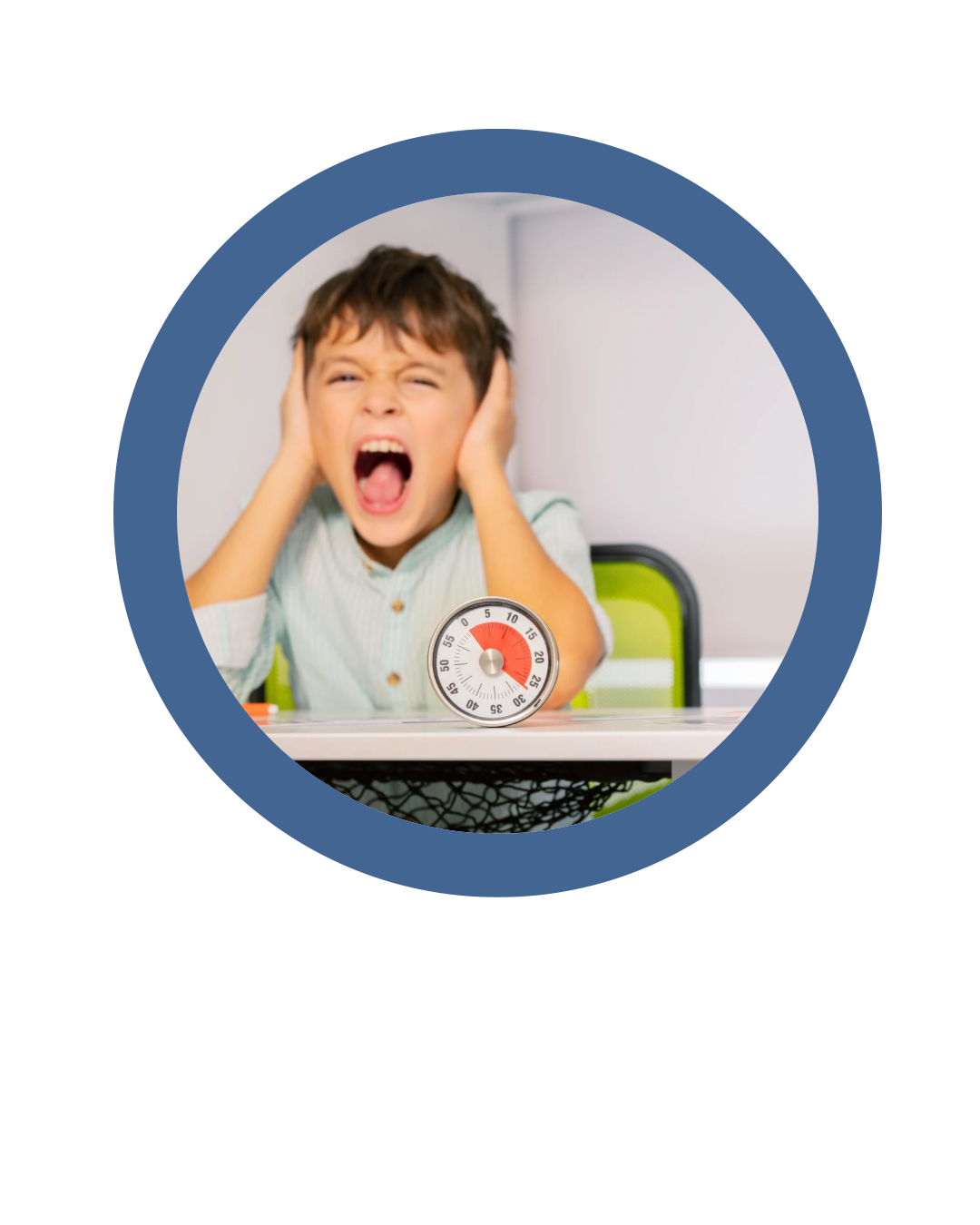
Behavioral Skills
Behavioral skills are the foundation of how a child interacts with the world—how they follow directions, respond to limits, express needs, and manage frustration.
In early intervention ABA therapy, we help children replace challenging behaviors with positive, functional ones—so they can learn, grow, and thrive with less stress and more success.
-

Play Skills
In early intervention ABA therapy, we use play as a powerful tool to teach social, communication, emotional, and cognitive skills—all while keeping learning fun and natural.
-

Motor Skills
Motor skills are the physical abilities that help children move their bodies, interact with objects, and explore the world around them. In early intervention, developing strong motor skills is key to helping kids build independence, confidence, and coordination.
While ABA therapists are not occupational or physical therapists, we support motor development within functional daily routines, play, and learning.
-
Safety and Community Skills
One of the most important goals in ABA therapy is helping children stay safe and navigate the world around them. Safety and community skills give children the tools to understand boundaries, follow rules, and engage appropriately in different environments